
 (226) 494-0133
 Emergency?
 Book Online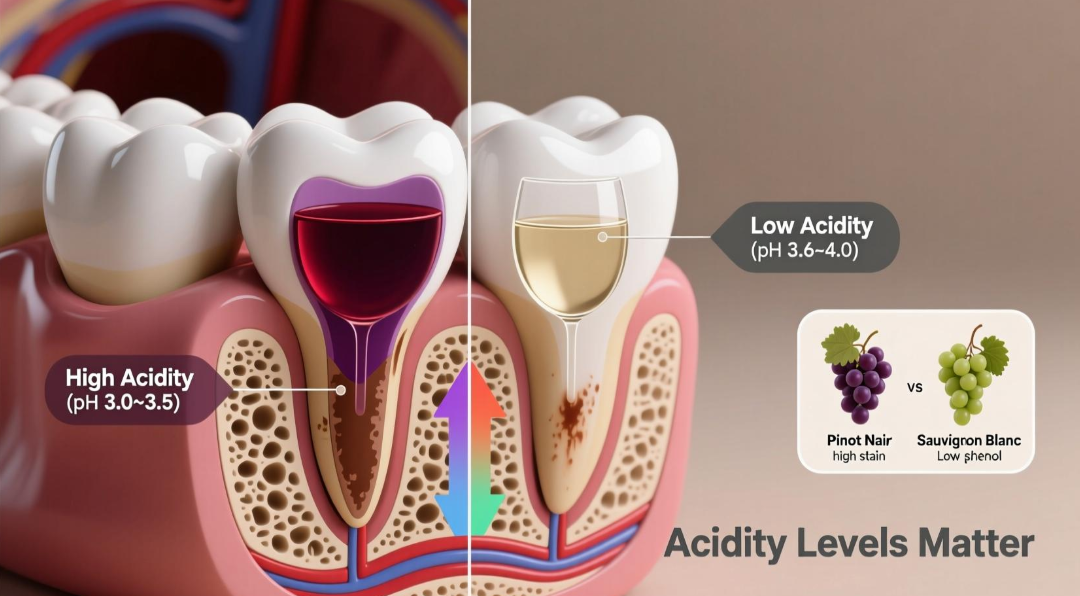
Wine tasting can be an enjoyable way to explore different grapes, regions, aromas, and flavours. However, frequent exposure to acidic beverages may contribute to dental erosion. Unlike tooth decay, which involves bacteria and sugars, erosion occurs when acids gradually wear away the mineral structure of the tooth.
For people who regularly attend tastings or enjoy wine at home, a few practical habits may help reduce unnecessary acid exposure while keeping routine oral care on track.
Understand How Acid Affects Enamel
Tooth enamel is the hard outer layer that protects the underlying tooth structure. Acidic foods and drinks can temporarily soften enamel by lowering the pH in the mouth. Repeated exposure gives the teeth less opportunity to recover between acidic episodes.
Wine, particularly varieties with higher acidity, may contribute to this exposure. The risk depends on factors such as how frequently someone drinks it, how long it remains in contact with the teeth, and other dietary habits. This does not mean wine must automatically be eliminated from someone’s lifestyle. Instead, awareness of frequency and exposure time is useful.
Avoid Prolonged Contact With the Teeth
One simple strategy is to avoid repeatedly holding acidic drinks in the mouth. Swishing wine around the mouth may be part of tasting, but prolonged contact also increases the time enamel is exposed to acid.
Taking reasonable breaks between sips may reduce continuous exposure. Drinking water afterward can also help rinse the mouth and dilute remaining acids. Water is especially useful between different wines during a tasting because it supports hydration while providing a non-acidic option between samples.
Wait Before Brushing
Brushing immediately after consuming acidic drinks may not be advisable because enamel can temporarily become softer following acid exposure. Waiting before brushing gives saliva time to help restore the mouth’s natural environment.
Instead, rinse with water after drinking and follow your usual oral hygiene routine later. A soft-bristled toothbrush and fluoride toothpaste may help support enamel protection as part of regular dental care. If you are uncertain about your brushing routine, a dentist in Chatham can provide guidance based on your individual oral health needs.
Be Mindful of Other Acidic Foods
Wine is not necessarily the only source of dietary acid. Citrus fruits, fruit juices, carbonated drinks, vinegar-based foods, and some other beverages can also contribute to acid exposure.
Consuming several acidic items throughout the day may increase the number of times enamel encounters a low-pH environment. Consider how these foods and drinks fit into your overall routine rather than focusing on a single item.
Do Not Ignore Changes in Your Teeth
Frequent acid exposure may eventually be associated with signs such as increased sensitivity, changes in tooth shape, smoother-looking surfaces, or altered appearance. These changes can have several possible causes, so self-diagnosis is not recommended.
Regular dental examinations allow a dental professional to assess changes in enamel and discuss appropriate preventive measures. If sensitivity or other concerns develop, mention them during your appointment.
Keep Your Oral Care on Track With Chatham Family Dental!
Your everyday habits play an important role in protecting your teeth. Chatham Family Dental can assess your oral health and discuss practical approaches for managing sensitivity, enamel concerns, and routine dental care. Make oral health part of your long-term routine with Chatham Family Dental and learn how everyday choices may support your teeth through every stage of life.
Recent Comments