
 (226) 494-0133
 Emergency?
 Book Online
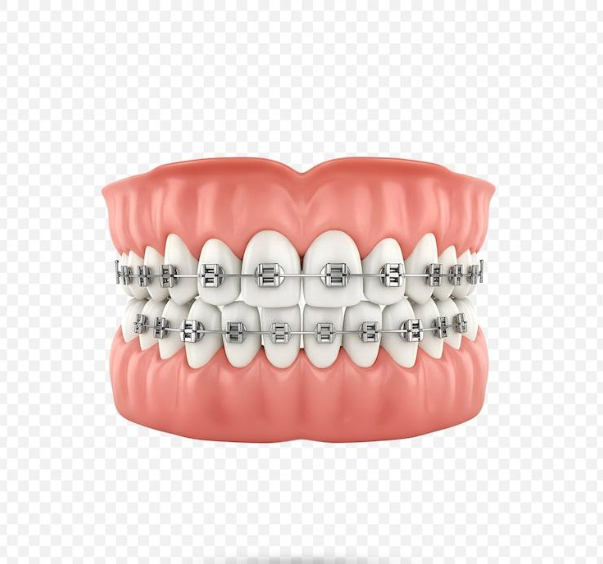
Having straight teeth after traditional braces can feel like a lasting achievement. However, some adults notice their teeth gradually shifting years after treatment. A once-even smile may develop small gaps, crowded front teeth, or changes in the bite. This movement is known as orthodontic relapse. It does not necessarily mean the original treatment failed.
Teeth respond to changes in the surrounding tissues, ageing, and everyday oral forces. Understanding these factors may help adults maintain their results and recognize when a dental assessment is appropriate.
Why Do Teeth Shift After Braces?
1. Not Wearing Retainers Consistently
Retainers help hold teeth in their corrected positions after braces are removed. The bone and surrounding tissues need time to adapt to the new alignment, and some tendency for movement remains over the long term.
If a person stops wearing a removable retainer or does not follow the recommended schedule, teeth may gradually move. Retainers may also become damaged, loose, or poorly fitting over time. Adults should follow their dentist’s instructions and seek advice if a retainer no longer fits comfortably. For many people, long-term retention is important because teeth can shift throughout life.
2. Natural Changes That Occur With Age
Teeth do not remain completely stationary as people grow older. Changes in the jaw, facial structures, and supporting tissues may influence their position. The lower front teeth are particularly prone to crowding in adulthood, even among people who previously had orthodontic treatment.
These changes can occur gradually and may not be related to a specific dental problem. However, sudden or pronounced movement deserves professional attention.
3. Pressure From the Tongue and Other Oral Habits
The tongue, lips, and cheeks constantly apply forces to the teeth. Habits such as tongue thrusting, persistent nail biting, or other repetitive pressure may contribute to changes in alignment in some individuals.
Teeth grinding and clenching may also affect the bite and place stress on teeth and their supporting structures. A dentist can assess whether these habits are contributing to the changes and discuss suitable management options.
4. Changes in Gum and Bone Health
Healthy gums and the underlying bone support the teeth. Gum disease can damage these supporting structures, potentially causing teeth to loosen, spread apart, or change position.
Bleeding gums, persistent bad breath, gum recession, and increasing spaces between teeth should not be dismissed as ordinary orthodontic relapse. These signs may indicate a periodontal problem that needs assessment.
Can Relapsed Teeth Be Corrected?
The appropriate approach depends on how far the teeth have moved, the condition of the gums, and whether the bite has changed. Minor movement may be manageable with a suitable retainer, but an old retainer should not be forced onto shifting teeth.
More noticeable changes may require a new orthodontic assessment. Treatment options depend on individual needs and may include additional tooth movement or a revised retention plan. If a tooth is missing, dental implants in Chatham may be discussed as a tooth-replacement option when clinically appropriate, although implants do not correct orthodontic relapse themselves.
When Should You Seek Dental Advice?
Arrange a dental assessment if you notice increasing crowding, new gaps, changes in your bite, or a retainer that no longer fits. If a tooth becomes loose, painful, or suddenly displaced, seek prompt advice. An emergency dentist in Chatham may assess urgent dental concerns and help determine the next steps.
Have Your Teeth Started Shifting Again? Maintain Your Oral Health With Chatham Family Dental!
If you have noticed changes in your tooth alignment since completing braces, Chatham Family Dental can be a starting point for discussing your concerns. Visit Chatham Family Dental to learn more about our practice and explore whether an assessment may help you understand your options for maintaining your dental health.
Recent Comments